


cookerhood9720
About cookerhood9720
See What Types Of Cooker Hood Tricks The Celebs Are Making Use Of
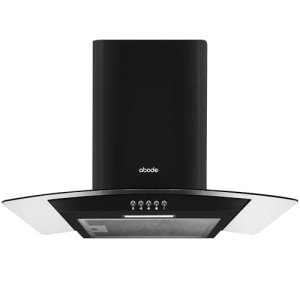
Understanding the Types of Cooker Hoods: A Comprehensive Guide
When it pertains to designing a practical kitchen, one device that frequently goes undetected however plays an important function is the cooker hood, or range hood. These devices assist remove smoke, smells, and grease from the air, making the cooking environment healthier and more enjoyable. With various types of cooker hoods readily available in the market, it can be frustrating for customers to pick the ideal one for their requirements. In this extensive guide, we will explore the different kinds of cooker hoods, their installation approaches, and often asked concerns about this vital kitchen home appliance.
What is a Cooker Hood?
A cooker hood is a device installed above the cooking surface in the kitchen. It assists in aerating the kitchen by getting rid of airborne grease, combustion products, smoke, heat, and steam. Appropriate ventilation is crucial, not just for convenience, but also for preserving indoor air quality.
Types of Cooker Hoods
Cooker hoods can be found in numerous designs and functionalities. Below is an in-depth comparison of each type, along with their benefits and disadvantages.
| Kind Of Cooker Hood | Description | Advantages | Downsides |
|---|---|---|---|
| Wall-Mounted Hoods | Installed against the wall above the stove, these are the most typical type. | Versatile; fits in numerous kitchens | Requires wall space; less appropriate for big kitchens |
| Island Hoods | Created to be installed above an island cooktop or range. | Visual appeal; effective ventilation | More expensive; needs complicated setup |
| Under-Cabinet Hoods | These are mounted under existing cabinets and healthy comfortably above the stove. | Space-saving; cost-effective | May have limited ventilation abilities |
| Downdraft Hoods | Set up straight behind the cooktop, they appear when needed. | Flexible and inconspicuous | Less effective; requires a cooktop incorporated into the system |
| Integrated Hoods | Integrated into cabinetry for a seamless look in the kitchen. | Customizable look; hides grease | Greater setup costs; may be less available |
| Place Hoods | Developed to be placed into existing cabinets or custom-made hoods. | Effective suction; adjustable | Requirements specific space; more intricate installation |
| Expert Hoods | Sturdy hoods developed for commercial-grade cooking devices. | Extremely efficient for heavy cooking | Bulkier; more expensive for domestic use |
Wall-Mounted Hoods
Wall-mounted hoods are preferred for their adaptability and series of designs. They come in traditional chimney designs and contemporary models, providing options for both modern and classic kitchens. These units need strong installation on a wall, making them suitable for a lot of kitchen layouts.
Island Hoods
Perfect for kitchens with island cooktops, these hoods draw attention and can work as a statement piece. They need careful setup as they are suspended from the ceiling. However, their efficient ventilation typically justifies the setup complexity.
Under-Cabinet Hoods
For kitchens with limited space, under-cabinet hoods are an outstanding option. They mount straight beneath existing cabinets, making them extremely space-efficient. While they tend to be cost-effective, their ventilation power may be restricted compared to other types.
Downdraft Hoods
A trendy solution for kitchens where looks is crucial, downdraft hoods supply the flexibility to pop up just when required. They are best suited for particular cooktops that are created to accommodate them. Nevertheless, their performance may not be enough for heavy cooking applications.
Integrated Hoods
Integrated hoods offer a sleek and integrated look by being hidden within cabinetry. These units can be customized to fit the kitchen style, offering a refined appearance. Nevertheless, they may include higher setup expenses due to their custom-made nature.
Place Hoods
These hoods suit cabinetry or custom units, permitting a balance in between performance and look. They provide powerful suction and can be created to match kitchen looks, however their installation can be more intricate.
Professional Hoods
Typically discovered in business kitchens, professional hoods are developed for intensive cooking. They have remarkable ventilation capabilities, making them perfect for passionate home chefs. Nevertheless, their size and price point can be constraints for property use.
Secret Considerations When Choosing a Cooker Hood
When picking a cooker hood, several elements ought to come into play:
- Size: The hood needs to be at least as broad as the cooking surface area.
- CFM (Cubic Feet per Minute): This determines the air flow capability. The greater the CFM, the more air it can move and the better it can ventilate.
- Noise Level: Check for the noise rankings determined in sones– the lower the value, the quieter the hood.
- Installation: Consider whether you desire an expert installation and the intricacy included.
- Filtration Type: Decide in between ducted (vented) and ductless (recirculating) options based on your kitchen requirements.
FAQs about Cooker Hoods
Q1: Do I need a cooker hood if I have a window?A: While a
window can supply natural ventilation, a cooker hood substantially improves air quality by eliminating smoke, grease, and smells, which a window alone might not accomplish efficiently.
Q2: How typically ought to I clean my cooker hood?A: To preserve maximum performance, it’s recommended to clean the filters monthly, while deep cleansing needs to occur every 6 to 12 months depending on usage. Q3: Are cooker hoods expensive to run?A: Energy intake differs by design; however, modern cooker hoods are created to
be energy effective, and utilizing them intermittently can lessen costs. Q4: Can I install a Cooker Hood (visit website) myself?A: While it is possible for those with DIY experience, expert setup is advisable to guarantee safety and correct function. Q5: What is the life-span of a cooker hood?A: The typical life expectancy can range from 5 to 15 years, depending upon the model and upkeep.
Regular cleaning and care can extend the lifespan significantly. Picking the best cooker hood requires mindful consideration of various types, functionalities, and specific kitchen needs. From wall-mounted options to professional-grade designs, comprehending the differences and advantages of each type can facilitate an informed choice. A great cooker hood not only improves the aesthetic appeal of the kitchen but likewise contributes to a much healthier cooking environment. With the right selection, anyone can take pleasure in the complete benefits of their kitchen area while formulating culinary delights.
No listing found.