


oven4967
About oven4967
Why You Should Focus On Improving Electric Oven & Hob
Understanding Electric Ovens and Hobs: Your Guide to Cooking Efficiency
Electric ovens and hobs have changed the culinary landscape, providing home cooks and expert chefs a dependable, effective, and consistent way to prepare meals. As technological improvements continue to influence home appliance design, the efficiency and functionality of electric cooking systems have significantly enhanced. This article explores the features, benefits, and factors to consider surrounding electric ovens and hobs, offering an extensive summary for anybody looking to update or invest in kitchen appliances.
What Are Electric Ovens and Hobs?
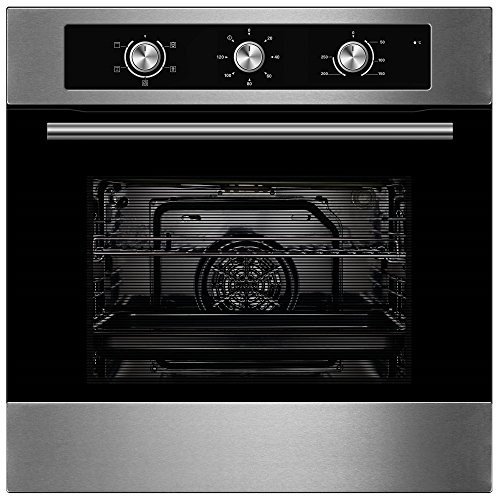
Electric ovens are kitchen appliances developed for baking, broiling, roasting, and other cooking techniques that need controlled heat. They use electric coils or convected heat aspects to generate and maintain the desired temperature. Electric hobs, frequently described as electric cooktops, are flat surfaces with heating elements that permit pots and pans to be put straight on them for cooking.
Table 1: Key Differences Between Electric Ovens and Hobs
| Function | Electric Oven | Electric Hob |
|---|---|---|
| Main Function | Baking, roasting, broiling | Heating pots and pans for cooking |
| Heating Method | Electric coils or glowing elements | Induction, glowing, or ceramic elements |
| Operation Temperature Range | As much as 500 ° F (260 ° C | ) Varies by design; typically lower than ovens |
| Cooking Styles | Versatile; suitable for different dishes | Mostly stovetop cooking approaches |
| Space Requirement | Usually built into cabinetry | Frequently standalone or built-in alternatives |
| Energy Consumption | Normally greater, depending upon use | More energy-efficient with induction hobs |
Benefits of Electric Ovens and Hobs
When thinking about electric ovens and hobs, it’s necessary to comprehend their numerous benefits, which can enhance the cooking experience.
1. Consistent Heating
Electric Ovens And Hobs – Www.Emiliadoherty.Top – offer even and consistent heating, which is vital for lots of cooking techniques. This guarantees that dishes cook evenly, decreasing the possibilities of overcooking or undercooking specific locations of food.
2. Security Features
Modern electric ovens and hobs come equipped with numerous safety functions to prevent mishaps in the kitchen. For example, numerous models consist of automatic shut-off functions, hot surface area indications, and child safety locks.
3. Easy to Use
Unlike gas designs, electric ovens and hobs are simple and easy to use. The simpleness of switching on a dial or pushing a button makes them accessible for cooks of all skill levels.
4. Versatile Cooking Options
With different cooking techniques possible, from baking to simmering, electric designs are versatile sufficient to accommodate a vast array of culinary styles and preferences.
5. Cleaning and Maintenance
Electric ovens generally include smooth surface areas that are simple to tidy, especially models with self-cleaning capabilities. Hobs, especially induction types, also provide a flat surface area that is easy to clean down, making upkeep a breeze.
Popular Types of Electric Ovens:
- Conventional Ovens: Ideal for conventional baking and roasting.
- Convection Ovens: Circulate hot air for quicker, even cooking.
- Microwave Ovens: Use electro-magnetic radiation for fast heating and cooking.
- Toaster: Small countertop ovens for fast jobs.
Popular Types of Electric Hobs:
- Induction Hobs: Utilize magnetic fields for quick heating and energy performance.
- Glowing Hobs: Feature electric coils that warm up to cook food.
- Ceramic Hobs: Offer a smooth surface and are simple to clean.
Factors To Consider When Choosing Electric Ovens and Hobs
While electric ovens and hobs provide numerous advantages, numerous elements need to be taken into account to ensure the ideal fit for your kitchen:
1. Area Availability
Examine the available kitchen space before making a purchase. Identify whether you need an integrated design or a freestanding appliance, and determine the measurements carefully to ensure a great fit.
2. Cooking Needs
Identify your cooking routines and preferences. If you frequently bake big quantities or cook complex meals, think about an oven with sophisticated functions like convection settings or several racks.
3. Energy Efficiency
Try to find energy-efficient models that can help conserve on utility costs gradually. Energy Star-rated appliances can be particularly cost-efficient.
4. Budget
Set a reasonable budget plan that represents both the preliminary purchase and ongoing operating expense. In addition to the home appliance expense, element in setup and potential repair work.
5. Additional Features
Consider whether features like clever innovation, programmable settings, or steam cooking choices are necessary for your cooking style.
Frequently asked question Section
Q: How do I tidy my electric oven?
A: Most electric ovens featured self-cleaning options. If your model does not have this feature, enable the oven to cool, then clean down surfaces with a mix of baking soda and water or an industrial oven cleaner.
Q: Is induction cooking safe?
A: Yes, induction cooking is considered safe as the heating aspect only triggers when compatible cookware is in contact with it, reducing the threat of burns.
Q: How long does it consider an electric oven to preheat?
A: Preheating times differ based on the oven’s model and temperature setting but normally vary from 10 to 15 minutes.
Q: Can I utilize any pots and pans on an induction hob?
A: No, just ferromagnetic cookware is compatible with induction hobs. Look for induction compatibility before use to prevent damage.
Q: What is the distinction in between a convection oven and a conventional electric oven?
A: A stove consists of a fan that distributes hot air, guaranteeing even cooking and decreased cooking times compared to a standard electric oven, which does not have this feature.
Electric ovens and hobs supply a contemporary option to various cooking needs, providing performance and reliability in the kitchen. As customers examine their options, understanding the features, types, and considerations will enable them to make informed choices. Whether one is a periodic cook or a cooking enthusiast, electric appliances can enhance the general cooking experience, bringing benefit and imagination to the table.
No listing found.